Enhancing Ease Of Access Via Assistive Technology for the Blind
The assimilation of assistive technology for the blind stands for an essential advancement in availability, fundamentally changing how people navigate their settings and involve with culture. From screen viewers to innovative clever walking canes, these tools not only improve independence however additionally promote inclusivity in numerous rounds of life. As we discover the diverse kinds of assistive tools and their substantial influence on daily living, it ends up being necessary to take a look at how continuous technological advancements are improving the landscape of assistance for the blind community. What implications do these advancements hold for the future of accessibility?
Summary of Assistive Modern Technology
Assistive technology refers to a variety of tools and software application made to boost the capabilities of individuals with impairments, including those that are visually damaged or blind. This technology plays an essential duty in promoting freedom and enhancing the top quality of life for individuals. By providing alternative approaches for accessing details and executing everyday tasks, assistive innovation equips individuals to browse their environments better.
The advancement and application of assistive modern technology welcome a variety of principles focused on promoting ease of access. These concepts include user-centered design, which prioritizes the demands and choices of the person, and the integration of modern technology into day-to-day activities. Such advancements guarantee that assistive gadgets are not only practical yet very easy and additionally user-friendly to utilize.
Furthermore, assistive innovation encompasses a diverse range of solutions, from low-tech alternatives like magnifiers to state-of-the-art technologies such as display readers and Braille screens. The continuous development of this field is driven by the requirement to attend to the unique difficulties dealt with by people with aesthetic impairments (Wearable technology for low vision). As modern technology remains to breakthrough, the potential for enhancing accessibility and advertising inclusivity stays encouraging, eventually adding to a much more fair culture
Sorts Of Assistive Devices
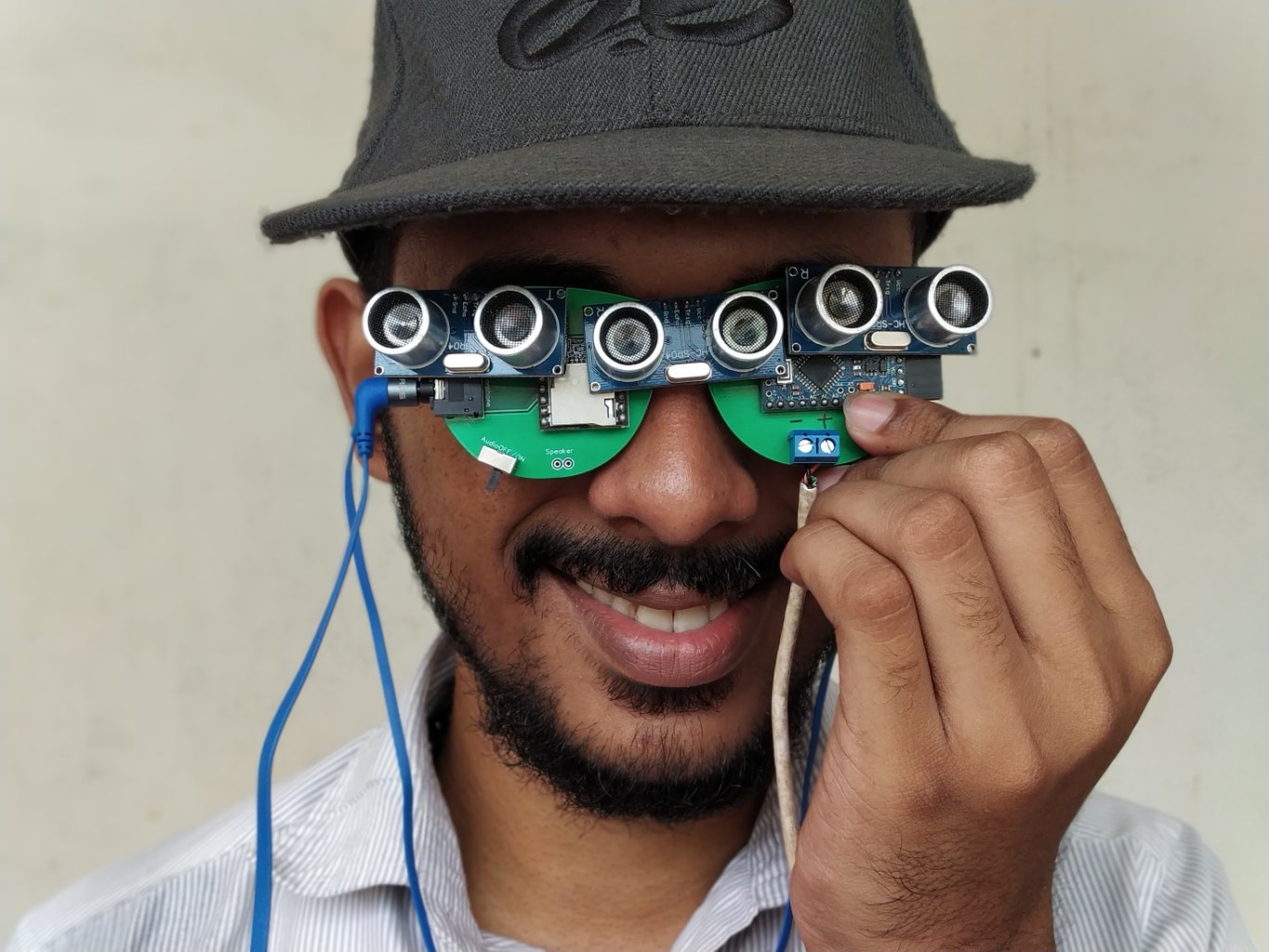
Many types of assistive tools are readily available to sustain individuals that are aesthetically impaired or blind, each developed to deal with details demands and difficulties. These gadgets can be generally classified into three main kinds: low-tech, mid-tech, and high-tech solutions.
Low-tech tools consist of things such as magnifiers, Braille tags, and tactile maps. These are reasonably straightforward devices that enhance the individual's capability to engage with their atmosphere without requiring complex modern technology.
Mid-tech gadgets typically include more sophisticated functions, such as digital magnifiers and mobile Braille note-takers. These tools can provide capabilities like speech output, enabling individuals to gain access to information extra efficiently.
Effect On Daily Living
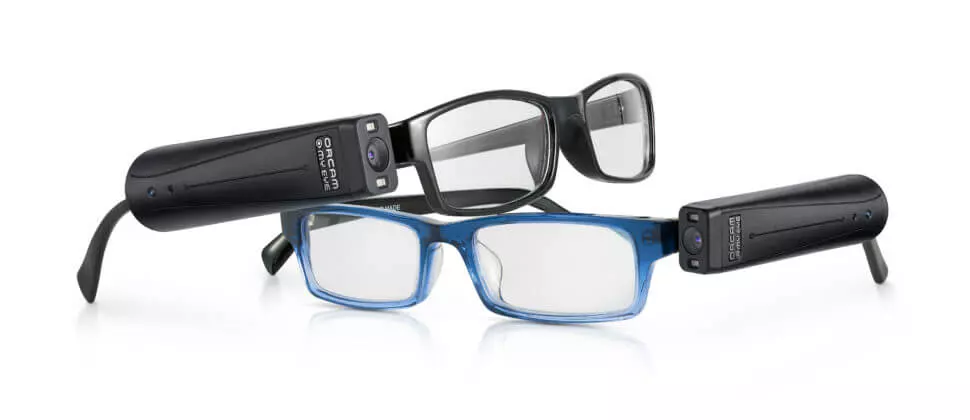
The availability of different assistive gadgets considerably enhances the top quality of life for people that are aesthetically impaired or blind, impacting their daily living in profound means. By incorporating modern technologies such as screen readers, Braille presents, and audio summary solutions right into their regimens, customers get better freedom and freedom. These tools facilitate access to details, enabling individuals to execute daily tasks, such as reading e-mails, browsing public rooms, and appreciating media web content.
Additionally, assistive devices empower individuals to involve even more completely in social communications and neighborhood activities. The ability to make use of mobile phones equipped with accessibility attributes permits seamless communication and connection with others. This useful content connection promotes a sense of belonging and decreases feelings of seclusion.
In specialist setups, assistive innovation sustains performance by allowing people to total work tasks successfully. Devices like voice acknowledgment software and specialized zoom gadgets allow individuals to Recommended Site take part in the workforce on equivalent footing with their sighted peers.
Innovations in Innovation
Current technological advancements have dramatically transformed the landscape of devices available for individuals that are aesthetically damaged or blind. The combination of expert system (AI) and equipment knowing has generated applications that enhance navigating and object acknowledgment. As an example, mobile phone apps can now make use of AI to determine and describe environments in real-time, supplying customers with important contextual details.
Additionally, developments in haptic technology have brought about the growth of smart walking canes equipped with sensing units that spot challenges and supply tactile responses. This empowers customers to navigate their environment with boosted self-confidence and self-reliance. Innovations in text-to-speech software and braille display screens have improved the availability of electronic material, enabling for seamless interaction with different media.
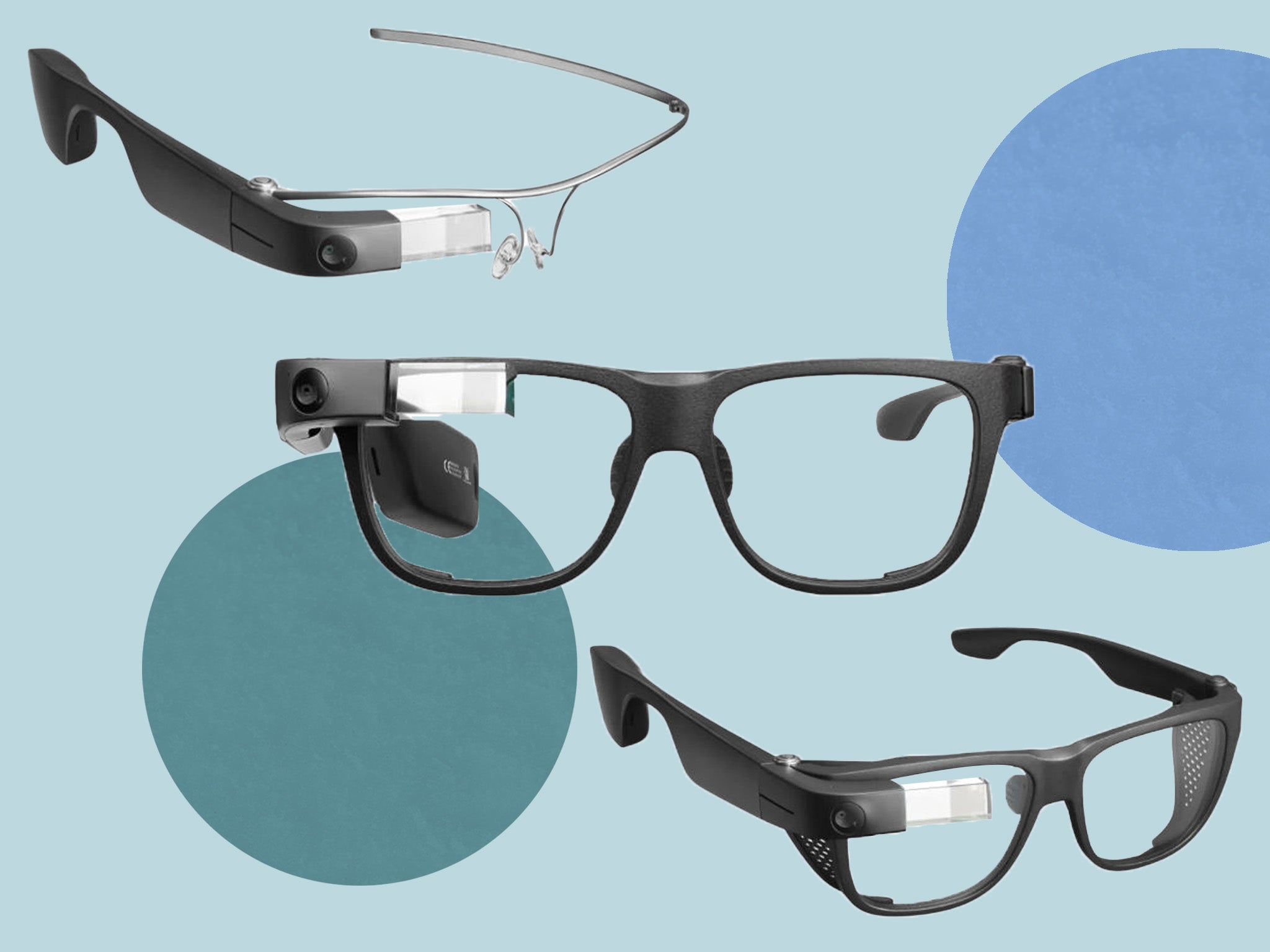
Wearable modern technologies, such as smart glasses, are likewise making strides in helping visual disability. As technology proceeds to develop, the capacity for even more transformative tools continues to be on the horizon.
Future Trends and Innovations

As modern technology quickly proceeds, the future of assistive devices for people who are blind holds tremendous promise. Advancements in expert system (AI) and artificial intelligence are poised to transform the way blind customers connect with their environments. For instance, AI-driven applications are being developed to enhance things acknowledgment, enabling individuals to determine and navigate their surroundings with great site greater ease and accuracy.
Furthermore, innovations in haptic feedback modern technology are enabling the production of tactile maps and navigating aids that give real-time info with touch. These developments not only boost flexibility yet likewise foster self-reliance. In addition, wearable devices outfitted with increased fact (AR) attributes are arising, using customers aesthetic details through audio descriptions, therefore linking the space in between the digital and physical globes.
Additionally, the integration of clever home innovation offers new possibilities for access, allowing people to control their living atmospheres through voice commands or mobile phone applications. As collaboration between tech developers and the blind area continues, the focus on user-centered design will make sure that future technologies are customized to satisfy the one-of-a-kind needs of this population (Wearable technology for low vision). The trajectory of assistive modern technology promises a more empowering and inclusive future for individuals who are blind
Final Thought
Finally, assistive technology plays a critical duty in enhancing accessibility for people with aesthetic impairments. The diverse variety of devices, including screen viewers and smart canes, substantially boosts everyday living and cultivates independence. Continuous improvements in modern technology and user-centered layout guarantee that these tools cater successfully to the distinct demands of the blind area. As developments development, increased inclusivity and empowerment can be expected, ultimately improving the lifestyle for those impacted by visual disabilities.
The combination of assistive innovation for the blind stands for a crucial development in availability, fundamentally changing how people navigate their settings and engage with culture.Assistive innovation refers to a variety of gadgets and software application made to improve the capacities of people with handicaps, consisting of those who are blind or visually impaired. Wearable technology for low vision.As modern technology quickly advances, the future of assistive devices for people who are blind holds enormous guarantee. The trajectory of assistive innovation assures a more comprehensive and empowering future for individuals that are blind
In conclusion, assistive innovation plays an important role in enhancing access for individuals with aesthetic disabilities.